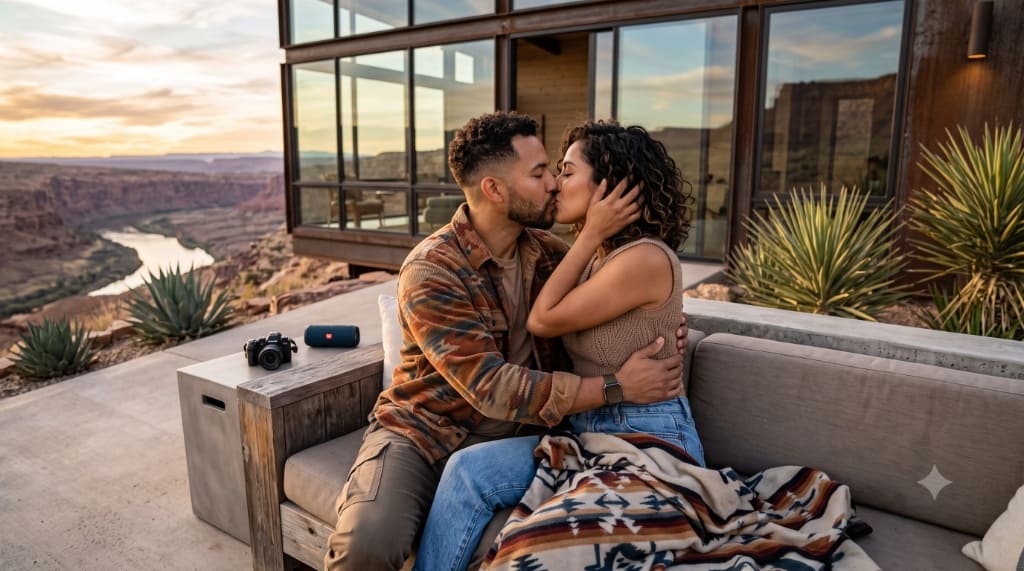
Common Misconceptions About Native American Dating
TB
By Talon Blackwood
••Updated 2026-10-03•21 Min Read (2,720+ words)
Essential Takeaways from This Guide
Debunk the Casino Wealth Myth: The vast majority of Native Americans do not receive free government checks or lavish casino payouts; tribal economies support essential public services.
Reject the "Spiritual Mystic" Trope: Native Americans are dynamic modern human beings, not romanticized cinematic spirit guides or mystical stereotypes.
Blood Quantum is Not Culture: Tribal citizenship is a sovereign political status, and cultural belonging is measured by kinship, family, and community accountability.
Diversity Transcends Monoliths: Every tribal nation possesses distinct languages, governance, and traditions; treating all Indigenous people as identical is deeply inaccurate.
1. Deconstructing Hollywood Tropes and Media Caricatures
For over a century, television, literature, and Hollywood cinema have presented wildly inaccurate, one-dimensional caricatures of Native American people. From Western films depicting stoic, grunting "warriors" to romanticized dramas portraying tragic "Indian princesses," popular media has created an artificial fantasy world that bears little resemblance to authentic Indigenous life.
When entering the dating scene with a Native American partner, shedding these media tropes is essential. Stereotypes, even when masquerading as "positive" or romantic, are dehumanizing because they force a complex, three-dimensional individual into a predetermined cultural box. When someone expects their date to behave like a character from a movie, genuine emotional intimacy becomes impossible.
Native Americans encompass doctors, software developers, mechanics, attorneys, artists, teachers, athletes, and entrepreneurs. They have diverse musical tastes, varying political views, personal quirks, and multifaceted life ambitions. Approach your partner as an individual with their own unique lived experiences, rather than viewing them through a cinematic lens.
Educate yourself on contemporary Indigenous media. Groundbreaking television series like Reservation Dogs and Dark Winds, created by Native writers and directors, showcase modern Indigenous life with authentic humor, depth, and humanity. Consuming authentic Native storytelling helps dismantle subconscious biases.
Building an authentic, lasting connection requires an intentional commitment to mutual understanding and emotional vulnerability. In any meaningful relationship, taking the time to truly listen to your partner's lived experiences, personal values, and familial traditions lays the groundwork for profound intimacy. When both individuals prioritize honest, compassionate communication, everyday challenges become collaborative opportunities to deepen mutual affection and shared trust.
Maintaining vitality in long-term dating requires cultivating intellectual curiosity and shared laughter. Engaging in outdoor adventures, sharing quiet reflections over traditional meals, and supporting one another's personal goals fosters an environment where both individuals can thrive as distinct individuals while flourishing as an inseparable team. True companionship is both a joyful celebration and a steady refuge.
The Truth About Stereotypes
A stereotype is an artificial barrier to intimacy. True love begins the moment you stop projecting fantasies and start seeing the real, complex, wonderful human being sitting across from you.
2. The "Free Money" and Casino Wealth Fallacy Debunked
One of the most persistent and damaging financial myths in North America is the belief that all Native Americans receive "free government checks" or lavish monthly casino payouts from birth. This misconception fuels harmful resentment and leads to invasive, awkward questions on early dates.
Here is the factual truth: Native Americans do not receive free government checks simply for being Indigenous. Native citizens pay federal income taxes like all other citizens, as well as state sales and property taxes. Treaty annuities, where they exist under historical treaties, often amount to nominal symbolic sums (such as five dollars a year under century-old agreements).
Regarding gaming: under the federal Indian Gaming Regulatory Act (IGRA) of 1988, tribal gaming revenues are legally mandated to fund sovereign government infrastructure: building tribal hospitals, paving roads, funding public schools, providing elder nutrition centers, and operating police forces. Only a small fraction of tribes with exceptional per capita agreements issue direct member distributions, and the vast majority of Native citizens receive zero personal checks from gaming.
Never ask a dating match questions like: "Do you get free money from the government?" or "Does your tribe own a casino?" Such questions are ignorant and offensive. Treat your partner’s financial life with the same polite boundaries you would expect in return.
Another common myth is the belief that Native American cultures are static and unyielding, resistant to contemporary life. In truth, Indigenous societies have always been dynamic, innovative, and adaptive. Throughout history, tribal nations integrated new technologies, art forms, and diplomatic strategies to protect their people. Today, Native doctors, scientists, software engineers, and artists seamlessly blend ancestral values with modern professional excellence.
A relationship thrives when grounded in a shared framework of respect, patience, and reciprocal generosity. Taking joy in each other's achievements, offering unconditional emotional comfort during seasons of difficulty, and upholding individual boundaries creates an emotionally secure atmosphere. Couples who nurture these healthy relational patterns find that their bond continues to flourish and mature across every stage of their journey together.
Ultimately, genuine love is reflected in everyday actions: the gentle words of encouragement, the attentive listening after a long day, and the steadfast loyalty that never wavers. When both partners walk forward with open hearts, mutual grace, and unwavering devotion, they create a relationship of enduring harmony, emotional richness, and shared purpose.
3. The "Mystical Shaman" Trope: Humanizing Your Partner
Another common pitfall is the romanticized "spiritual mystic" trope—the assumption that every Native person is an all-knowing shaman, speaks to wild animals, possesses supernatural psychic powers, or walks through life in a perpetual state of mystical transcendence.
While traditional spiritual practices and sacred relationships to nature are vital to many Indigenous communities, treating your partner as a personal spiritual guru or exotic oracle objectifies them. It denies them the freedom to experience ordinary human emotions: to be tired, frustrated, silly, ambitious, or intellectually analytical.
Do not expect your partner to interpret your dreams, bless your apartment, find your "spirit animal," or perform ceremonies on demand. Sacred spiritual knowledge in tribal cultures is held by specific, trained medicine keepers who undergo decades of rigorous apprentice training; it is not a casual party trick.
Love your partner for their real personality: their wit, their kindness, their intellectual curiosity, their professional accomplishments, and their everyday companionship. Ground your connection in genuine human reality.
Cultural and familial continuity remains a source of tremendous resilience and spiritual grounding. Celebrating shared heritage, honoring beloved family stories, and actively supporting each other's community commitments reinforces the sacred responsibility that partners hold toward one another and future generations. When love is anchored in honor and respect, it withstands the tests of time and external pressures.
Building an authentic, lasting connection requires an intentional commitment to mutual understanding and emotional vulnerability. In any meaningful relationship, taking the time to truly listen to your partner's lived experiences, personal values, and familial traditions lays the groundwork for profound intimacy. When both individuals prioritize honest, compassionate communication, everyday challenges become collaborative opportunities to deepen mutual affection and shared trust.
Common Misconceptions About Native American Dating
Cultural Insight
Dispelling outdated myths reveals modern Indigenous singles living dynamic, diverse, and vibrant lives.
4. Blood Quantum Misconceptions and Physical Appearance Myths
Many non-Native people mistakenly believe that all Native Americans must have dark skin, straight black hair, and high cheekbones. When they meet a Native person who has lighter skin, curly hair, blue eyes, or multiracial features, they may ignorantly comment: "You don’t look Native American."
Native Americans represent an extraordinarily diverse range of physical appearances. Due to centuries of intermarriage, regional adaptation, and multiracial heritage (including Afro-Indigenous, Latino-Indigenous, and Euro-Indigenous ancestry), there is no single "look" that defines Indigenous people.
Blood quantum is a mathematical fraction system originally devised by colonial governments to monitor and eventually diminish recognized tribal populations. Sovereign tribal nations have the inherent legal right to define their own citizenship criteria, typically based on documented lineal descent from historic tribal rolls.
Never question someone’s cultural legitimacy based on physical appearance. Identity is grounded in citizenship, kinship, community accountability, and ancestral love—not skin tone or facial bone structure.
Deconstruct the misconception that all Native Americans share the same political or social views. Tribal citizens encompass a wide spectrum of perspectives across conservation, economic development, education, and governance. Treating your partner as an autonomous individual with their own nuanced viewpoints honors their intellectual independence.
Maintaining vitality in long-term dating requires cultivating intellectual curiosity and shared laughter. Engaging in outdoor adventures, sharing quiet reflections over traditional meals, and supporting one another's personal goals fosters an environment where both individuals can thrive as distinct individuals while flourishing as an inseparable team. True companionship is both a joyful celebration and a steady refuge.
5. The "Frozen in the Past" Fallacy: Modern Indigenous Reality
Another widespread misconception is the idea that authentic Native culture only existed in the eighteenth or nineteenth century, and that modern Indigenous people have somehow lost their culture because they drive cars, use smartphones, wear sneakers, and live in contemporary homes.
Culture is living, dynamic, and adaptive. Just as contemporary European or Asian cultures have evolved over centuries while preserving their linguistic and spiritual roots, Indigenous cultures have continuously adapted modern tools to serve ancestral values.
A Native person listening to hip-hop while working on exquisite porcupine quillwork, or using a laptop to document endangered tribal vocabulary, is living authentic contemporary culture. Adaptation is how Indigenous people survived colonial erasure.
Celebrate your partner’s modern reality. Appreciate how seamlessly they bridge contemporary professional life with deep ancestral pride.
Ultimately, genuine love is reflected in everyday actions: the gentle words of encouragement, the attentive listening after a long day, and the steadfast loyalty that never wavers. When both partners walk forward with open hearts, mutual grace, and unwavering devotion, they create a relationship of enduring harmony, emotional richness, and shared purpose.
When mainstream news media covers reservations, it almost exclusively highlights stories of poverty, addiction, and despair. While economic and healthcare challenges do exist due to historic underfunding and geographic isolation, defining reservation life solely through deficit narratives erases the immense beauty, joy, and vitality of tribal homelands.
Reservations are vibrant sovereign homelands rich in laughter, extended family unity, ceremony, outdoor freedom, artistic brilliance, and communal care. Children grow up surrounded by grandparents, cousins, and open skies. Community feasts, sports tournaments, and traditional dances bring hundreds of relatives together in joyful solidarity.
Furthermore, over seventy percent of Native Americans reside outside of reservations in urban and suburban centers. Understand that your match’s relationship to their homelands is nuanced and deeply personal. Listen with open empathy and avoid condescending pity.
Finally, discard the myth that intercultural dating between Native and non-Native partners is inherently fraught with conflict. When grounded in genuine humility, mutual respect, open communication, and active allyship, intercultural relationships can be extraordinarily rich, harmonious, and deeply loving unions that bridge diverse worlds.
Building an authentic, lasting connection requires an intentional commitment to mutual understanding and emotional vulnerability. In any meaningful relationship, taking the time to truly listen to your partner's lived experiences, personal values, and familial traditions lays the groundwork for profound intimacy. When both individuals prioritize honest, compassionate communication, everyday challenges become collaborative opportunities to deepen mutual affection and shared trust.
7. Language, Accents, and Cultural Diversity Nuances
Many people assume that all Native Americans speak with a specific cadence or "Rez accent," or conversely, that nobody speaks tribal languages anymore. Both assumptions are incorrect.
Accents vary dramatically by region, reservation, and personal upbringing. Some individuals carry distinct regional cadences, while others speak with general American or regional dialects. Neither accent style reflects a person’s cultural dedication or intelligence.
Indigenous languages are experiencing a profound global renaissance. From Hawaiian and Navajo immersion schools to Cherokee language nests and Lakota digital apps, young people and elders are dedicated to revitalizing ancestral languages. Showing encouragement for your partner’s language learning shows profound consideration.
A relationship thrives when grounded in a shared framework of respect, patience, and reciprocal generosity. Taking joy in each other's achievements, offering unconditional emotional comfort during seasons of difficulty, and upholding individual boundaries creates an emotionally secure atmosphere. Couples who nurture these healthy relational patterns find that their bond continues to flourish and mature across every stage of their journey together.
8. Embracing Authentic Humanity: Loving the Real Person
Dating is ultimately the art of knowing and loving another human being in their complete, authentic truth. When you strip away Hollywood myths, financial misconceptions, and exotic spiritual tropes, you discover a real person with a beautiful heart, noble ancestry, and dreams for the future.
Support your partner as a whole human being. Stand alongside them through life’s victories and challenges. Celebrate their heritage while cherishing their individual personality.
When you approach dating with cultural humility, active listening, and open-hearted kindness, you build a relationship that honors the past while flourishing in the present.
Cultural and familial continuity remains a source of tremendous resilience and spiritual grounding. Celebrating shared heritage, honoring beloved family stories, and actively supporting each other's community commitments reinforces the sacred responsibility that partners hold toward one another and future generations. When love is anchored in honor and respect, it withstands the tests of time and external pressures.
9. Frequently Asked Questions (FAQ)
Do all Native Americans get free money from the government or casinos?
No. Native Americans pay federal taxes like all citizens and do not receive free government checks. Gaming revenue is legally designated to fund sovereign tribal infrastructure like hospitals and schools.
What is wrong with saying "You don’t look Native American"?
It relies on narrow Hollywood stereotypes. Native Americans have diverse physical appearances across skin tones, hair textures, and multiracial lineages.
Is it disrespectful to ask about "spirit animals"?
Yes. The popular trend of choosing a "spirit animal" trivializes sacred clan relationships and spiritual traditions that hold solemn cultural meaning.
Do most Native Americans live on reservations?
No. Over 70% of Indigenous people in the United States live in urban, suburban, and rural communities outside of reservations.
How can I support my partner’s cultural identity?
Listen with humility, avoid exoticizing them, support authentic Native businesses, stand up as an ally against stereotypes, and love them for who they are as a whole human being.
Cultural Historian & Indigenous Community Contributor
Talon Blackwood is a community educator and cultural historian dedicated to preserving tribal knowledge, promoting intercultural dignity, and fostering mindful relationship practices.
Experience Respectful & Authentic Native Dating
Join thousands of singles celebrating cultural connection, mutual respect, and genuine companionship. Create your free profile today.